

WHEN TEACHERS TAKE A SEAT IN THE CLASSROOM: ART AT THE SUMMER SCIENCE CAMP FOR TEACHERS
13. 08. 2026
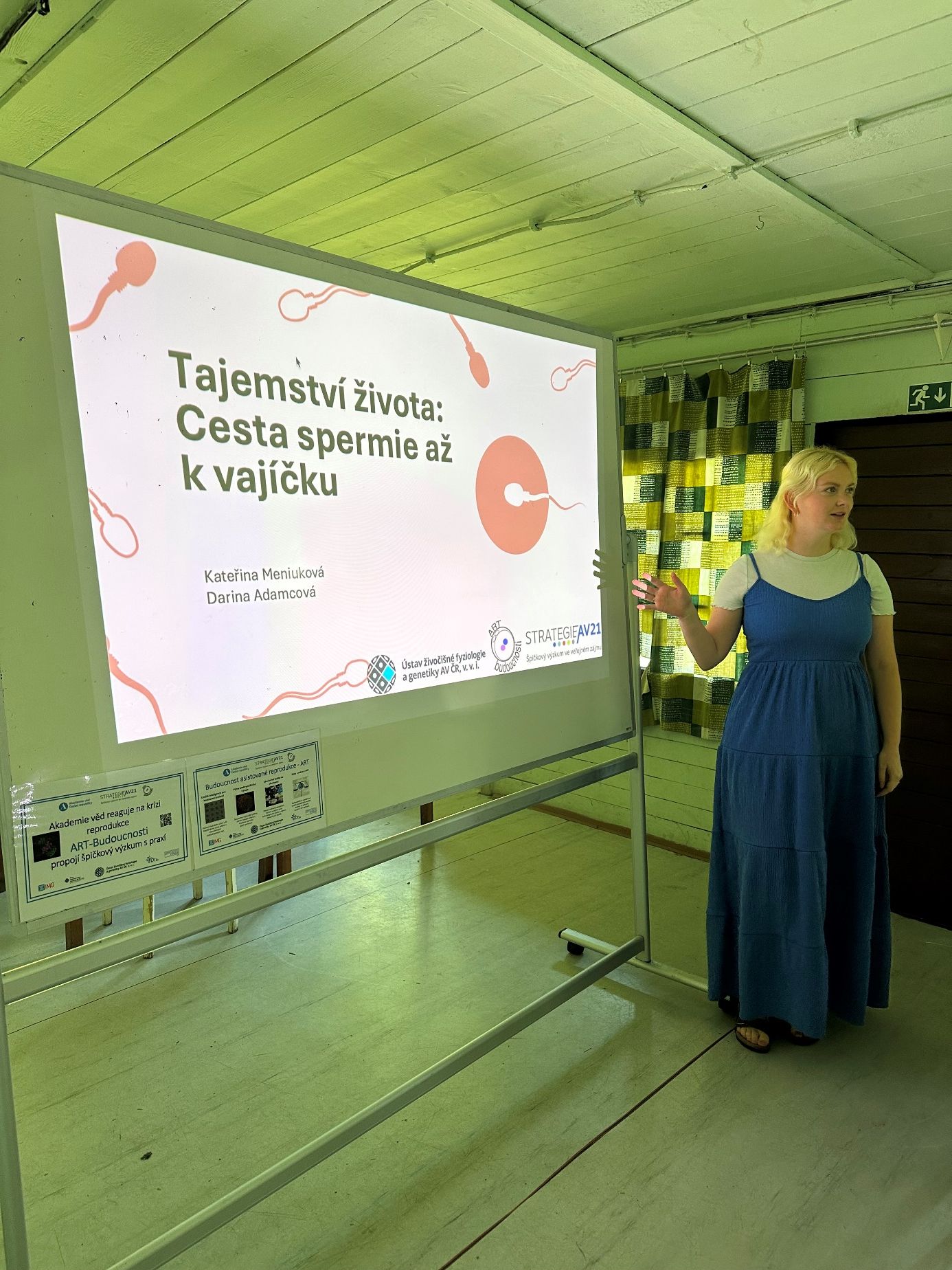
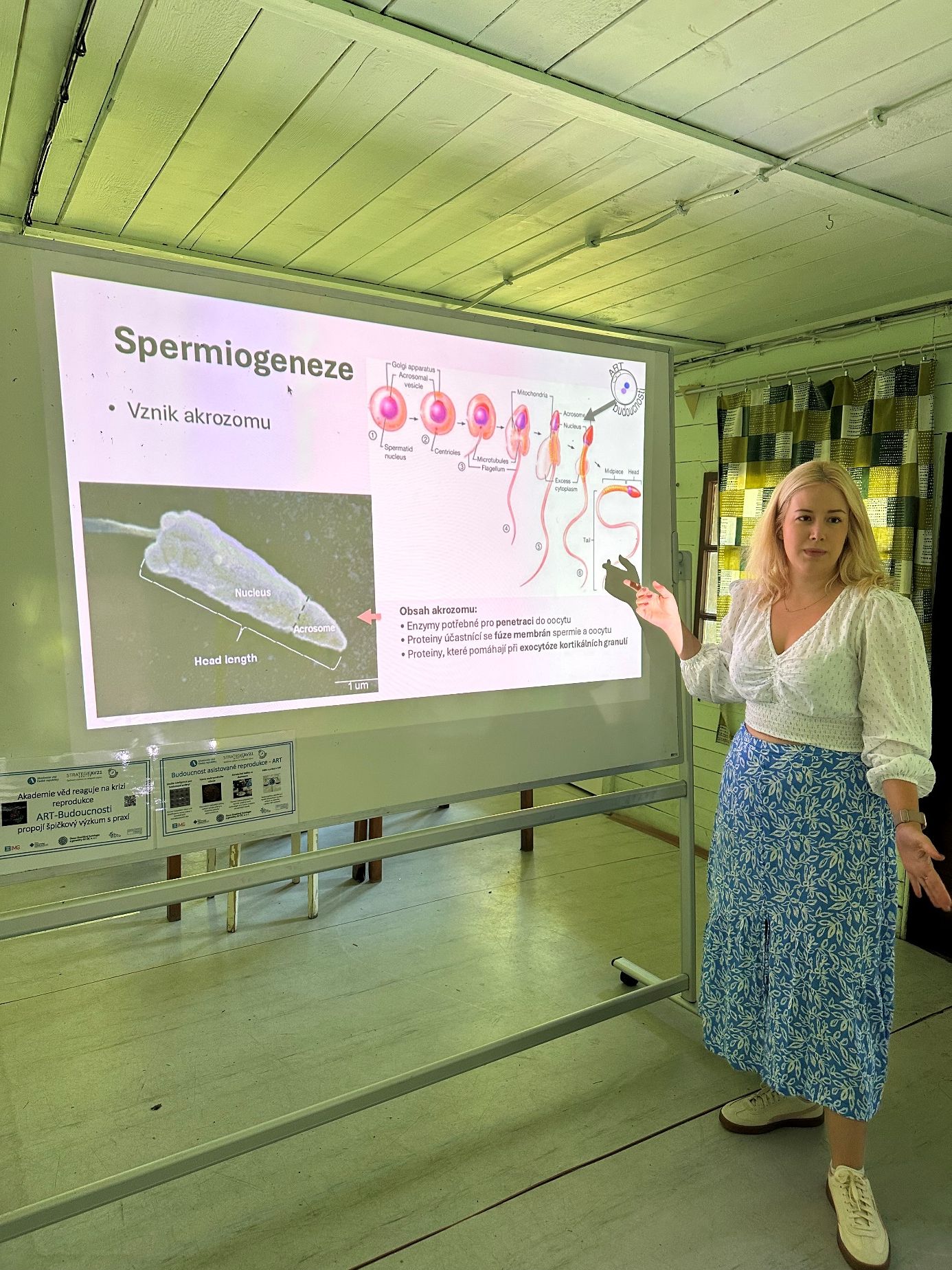
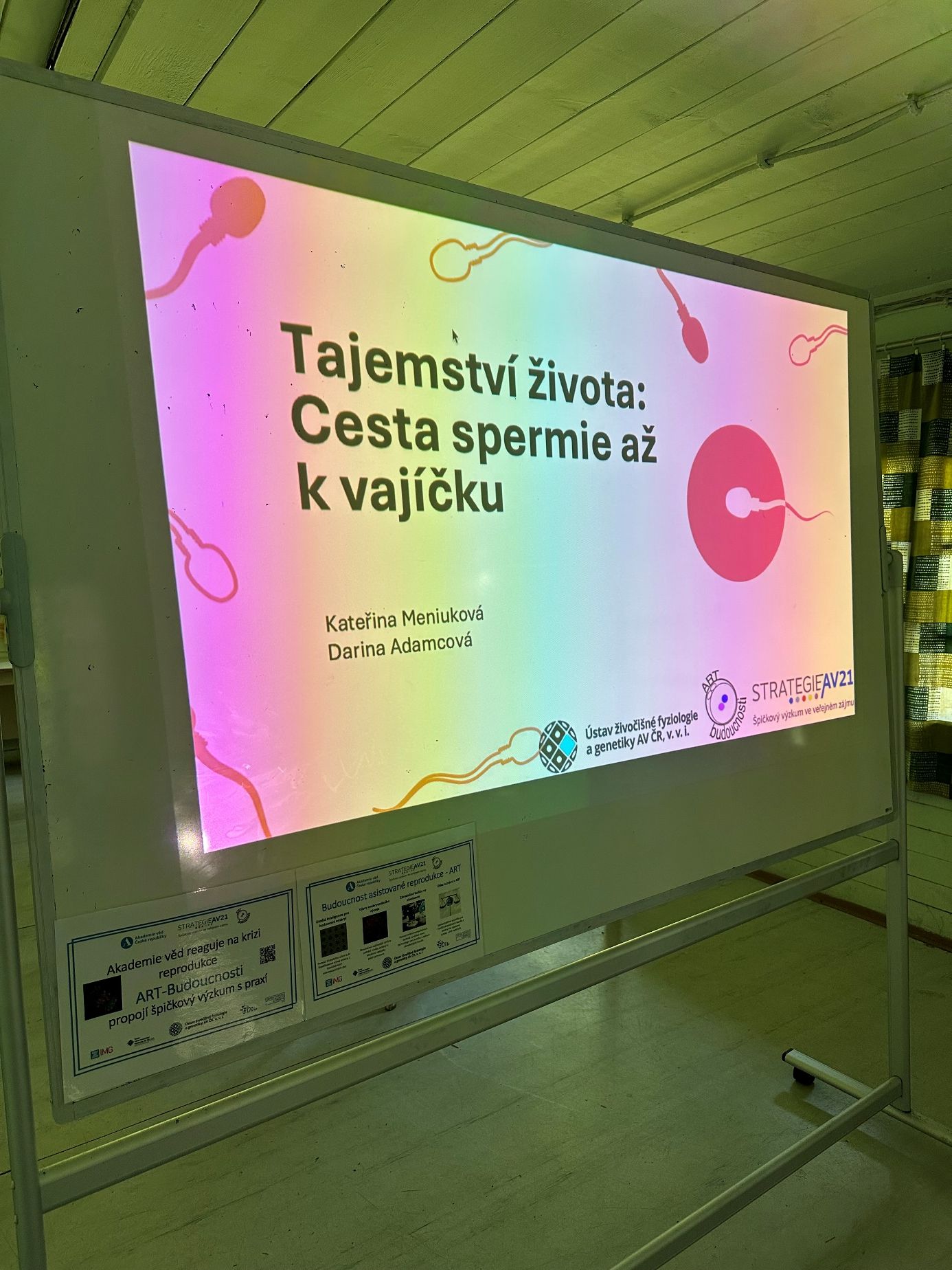
School does not have to stop for the summer holidays, especially when teachers take the students’ place in the classroom. This year, the ART - Future of assisted reproduction project took part in the Summer Science Camp for Teachers, organised by Open Science at the Czech Academy of Sciences for primary and secondary school science teachers. One day of the biology programme in Běstvina was dedicated to assisted reproduction and research into early embryonic development. Colleagues involved in the ART for Future programme prepared a lecture followed by a hands-on workshop entitled The Journey to New Life: From the Test Tube to the Research Laboratory.
Participants first got a glimpse behind the scenes of modern reproductive biology. They learned what happens to germ cells and embryos during the first days of a new life, why scientists use animal models to study human fertility, and how the “in vitro” environment can influence subsequent embryonic development. They also discussed current assisted reproduction techniques, the use of artificial intelligence in embryology, and ways of bringing the latest findings in reproductive biology into primary and secondary school classrooms.
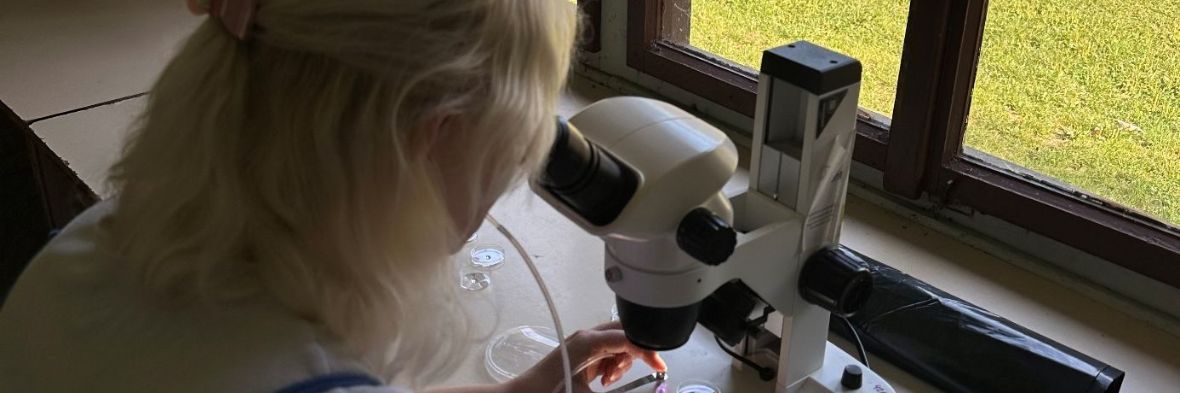
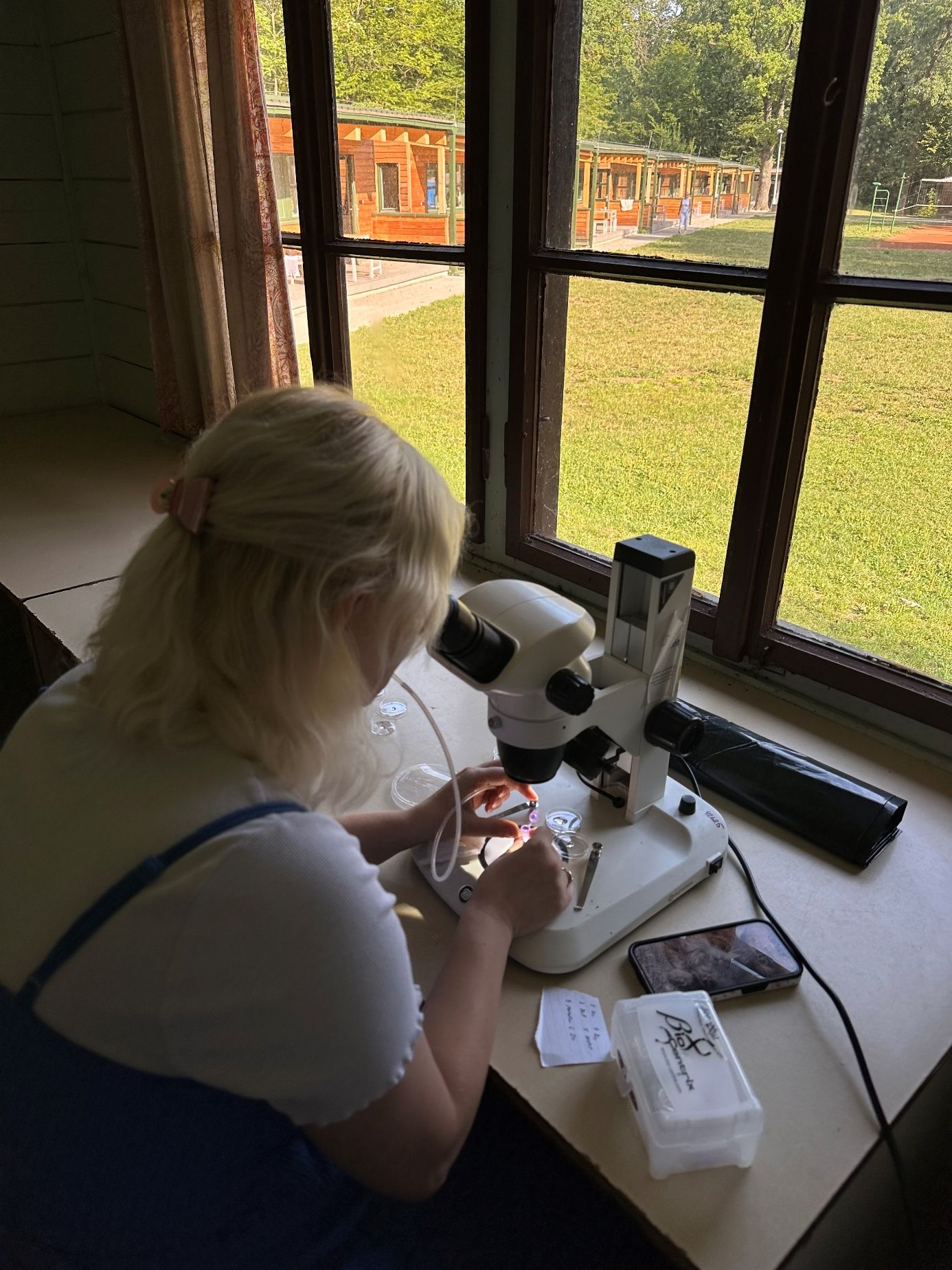
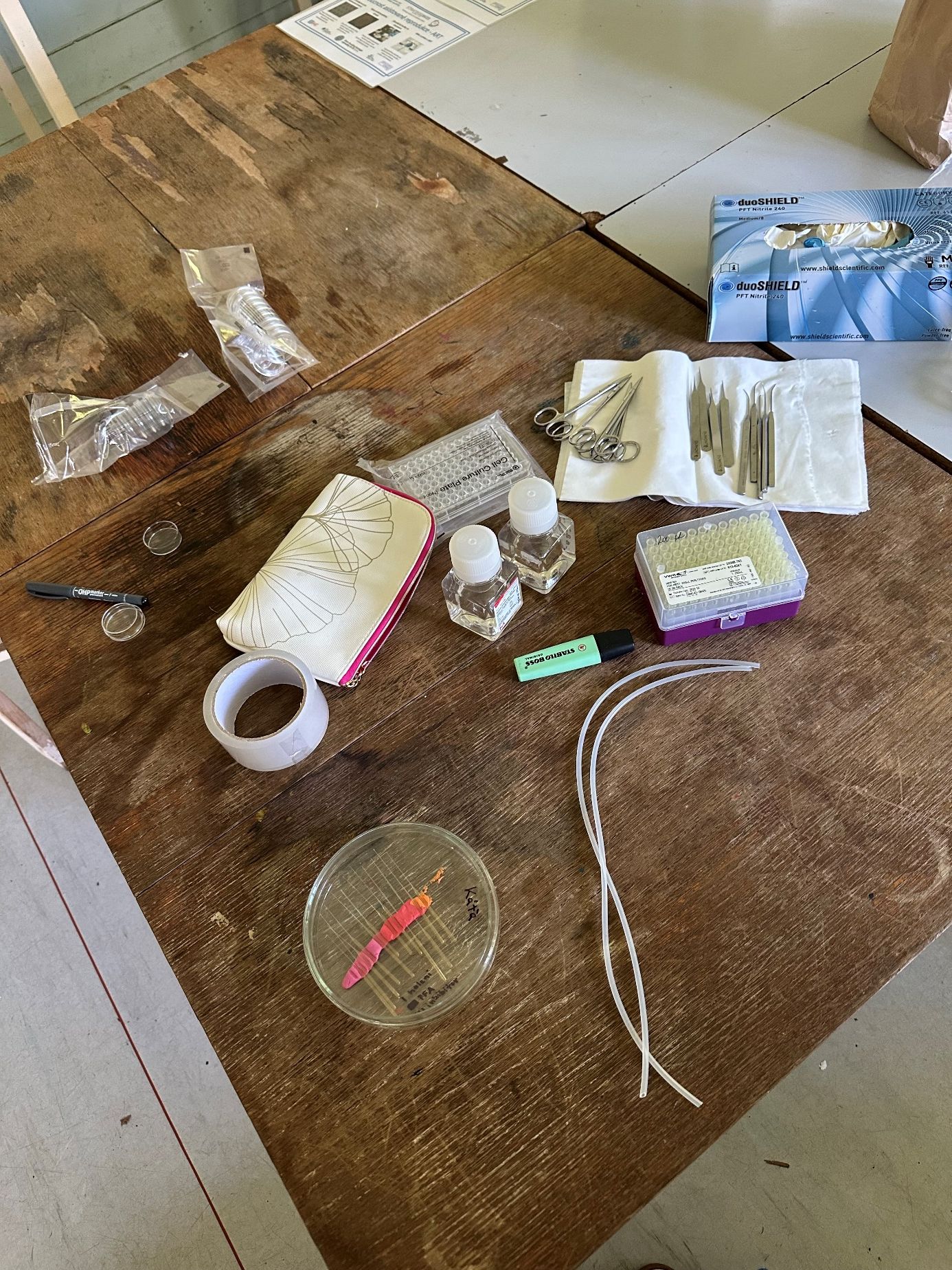
And it was not all theory. For a while, the teachers became students themselves and embryologists at the same time. During the hands-on session, they tried isolating oocytes from bovine ovaries, working with a microscope, and performing delicate cell manipulation. They had the opportunity to observe oocytes and different stages of early embryonic development first-hand, something normally seen mainly in research laboratories.
Bringing science and education together is one of the key aims of the ART For Future programme. New discoveries do not have to remain confined to scientific publications and laboratories. Through teachers, they can make their way directly into classrooms and perhaps inspire the next generation of students to take an interest in biology, reproductive science, and research.
Read also
- IVF FOR WOMEN WITHOUT A PARTNER: LEGAL, ETHICAL AND MEDICAL CONSIDERATIONS
- III· OOCYTE DAY BROUGHT TOGETHER LEADING EXPERTS IN HUMAN AND OTHER MAMMALIAN OOCYTE RESEARCH
- 31ST SYMPOSIUM ON BIOLOGY AND IMMUNOLOGY OF REPRODUCTION (SBIR) AND 19TH ANNUAL MEETING OF THE EUROPEAN SOCIETY FOR REPRODUCTIVE IMMUNOLOGY (ESRI)
- WHEN SCIENCE COMMUNICATES: THE FUTURE OF ART PROJECT AT RESEARCHERS' NIGHT 2026
- WHAT DETERMINES THE FATE OF AN EMBRYO? JITKA TROJANOVÁ JOINS THE ART RESEARCH TEAM
- ART RETURNS TO THE SCIENCE IN ACTION SUMMER CAMP: A DAY EXPLORING THE FIRST MOMENTS OF LIFE
- ASSISTED REPRODUCTION IS MORE THAN JUST A MEDICAL ISSUE: KATEŘINA KOMRSKOVÁ CO-AUTHORS A NEW BOOK
- THE MAGIC NUMBER 46, SPERM QUALITY AND THE FUTURE OF MALE FERTILITY: KATEŘINA KOMRSKOVÁ ON RADIOŽURNÁL
- SPERM AREN´T ALONE ON THEIR JOURNEY TO FERTILISATION. TINY VESICLES HELP THEM MATURE
- CAN AN INTERSPECIES EMBRYO HELP SAVE ENDANGERED SPECIES?