

WHEN SCIENCE COMMUNICATES: THE FUTURE OF ART PROJECT AT RESEARCHERS' NIGHT 2026
30. 09. 2026
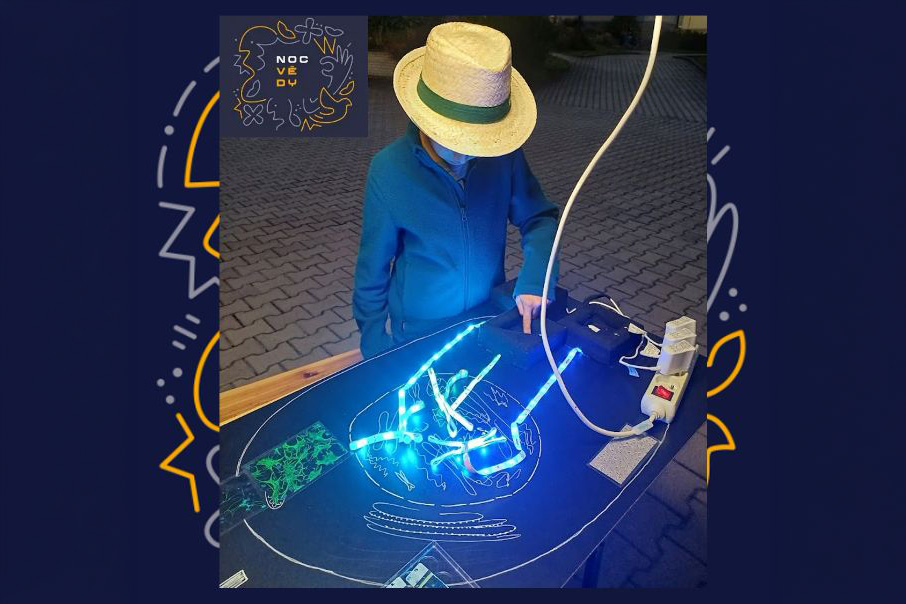
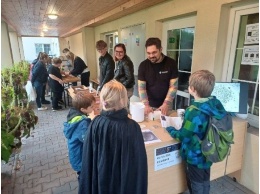
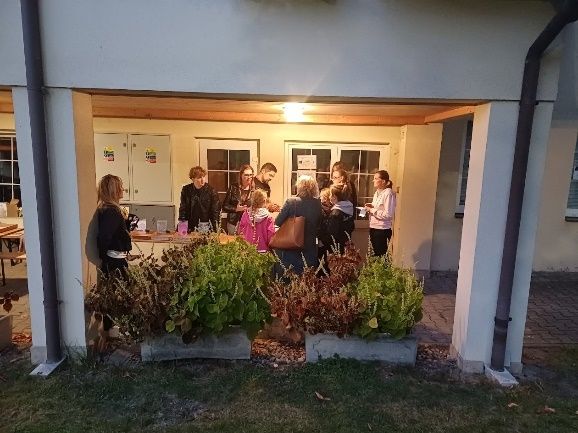
How do cells, genes, and entire organisms communicate? And how important is effective communication at the very beginning of life? These questions were at the heart of this year's Researchers' Night, which attracted around a hundred visitors to the Institute of Animal Physiology and Genetics of the Czech Academy of Sciences in Liběchov on 25 September. The diverse programme also featured the Future of Assisted Reproduction (ART) project, part of the Strategy AV21 research programme, offering visitors a fascinating insight into communication between germ cells and during early embryonic development.
This year's theme of Researchers' Night was Communication. Visitors were therefore invited to embark on a symbolic Communication Trail, exploring the world of signals and messages without which life could not exist – from communication between animals to complex molecular conversations within our bodies.
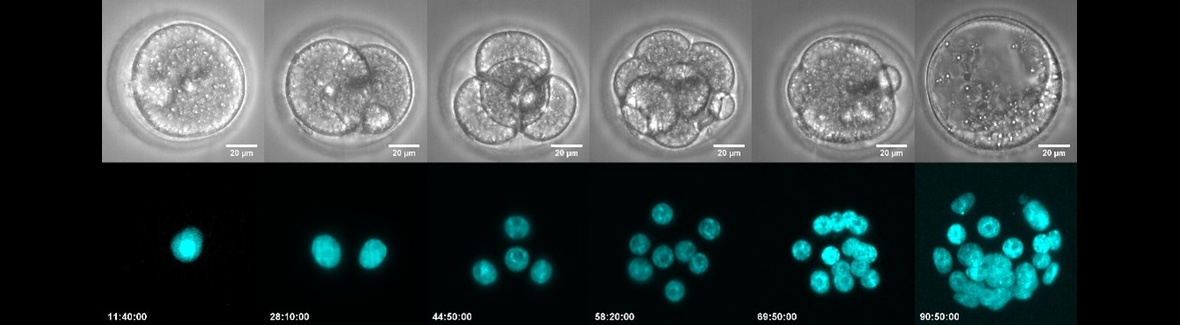
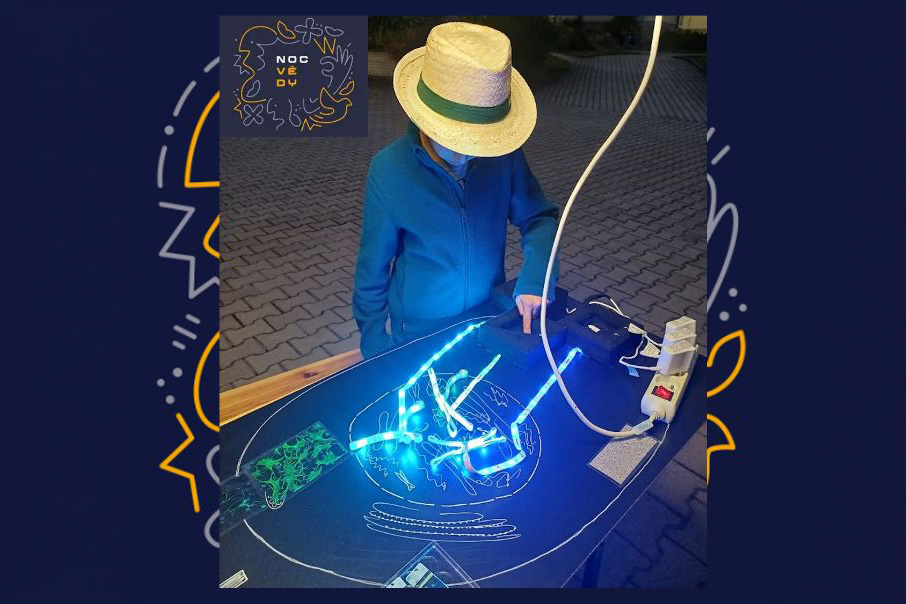
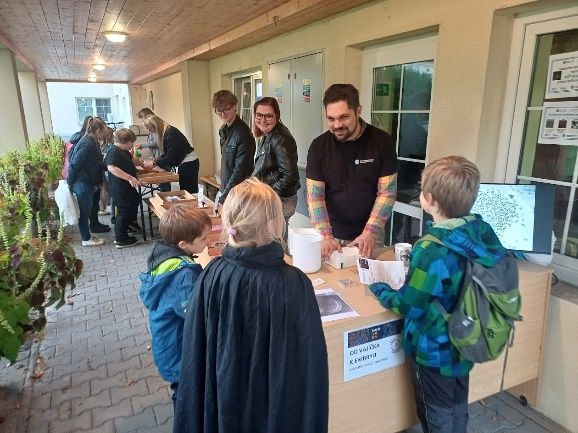
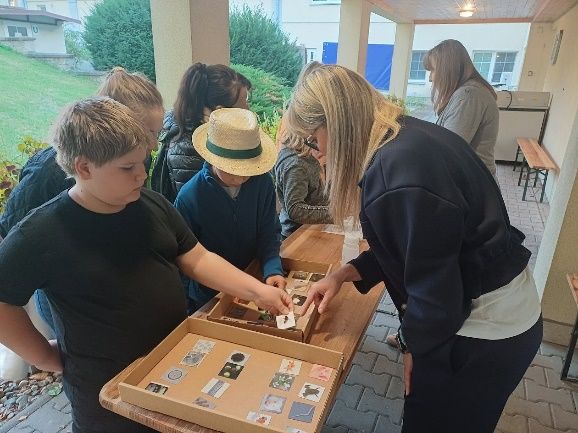
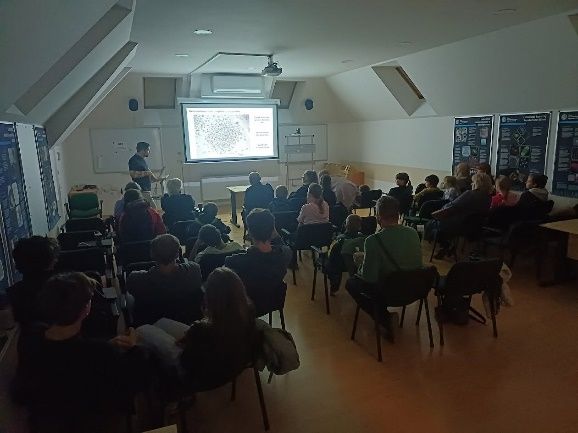
 The Future of Assisted Reproduction (ART) project, part of Strategy AV21, was presented through a science lecture and an interactive station focusing on communication at the very beginning of life. Visitors learned how the egg and sperm communicate with one another, how the developing embryo communicates with the mother’s body, why the precise timing of individual signals is essential, and what can happen when cells fail to communicate properly. At the interactive station, they had the opportunity to try out selected scientific techniques, view real images and recordings of germ cells and early embryonic development, and discover how understanding these processes contributes to the advancement of modern assisted reproductive technologies.
The programme also included a lecture exploring the fascinating diversity of communication in the animal kingdom, along with two additional interactive stations. Visitors could try identifying animals by their calls, uncover hidden communication signals, and learn how disruptions in cellular communication can contribute to serious inherited diseases and how pig models help scientists investigate these conditions.
The welcoming atmosphere, curious questions, and lively discussions demonstrated that even the complex processes taking place at the very beginning of life can captivate visitors of all ages. We would like to thank all our visitors for their interest and enthusiasm, as well as our colleagues for preparing such a diverse programme, once again bringing the fascinating world of reproductive biology closer to the general public.
Read also
- IVF FOR WOMEN WITHOUT A PARTNER: LEGAL, ETHICAL AND MEDICAL CONSIDERATIONS
- III· OOCYTE DAY BROUGHT TOGETHER LEADING EXPERTS IN HUMAN AND OTHER MAMMALIAN OOCYTE RESEARCH
- 31ST SYMPOSIUM ON BIOLOGY AND IMMUNOLOGY OF REPRODUCTION (SBIR) AND 19TH ANNUAL MEETING OF THE EUROPEAN SOCIETY FOR REPRODUCTIVE IMMUNOLOGY (ESRI)
- WHAT DETERMINES THE FATE OF AN EMBRYO? JITKA TROJANOVÁ JOINS THE ART RESEARCH TEAM
- ART RETURNS TO THE SCIENCE IN ACTION SUMMER CAMP: A DAY EXPLORING THE FIRST MOMENTS OF LIFE
- ASSISTED REPRODUCTION IS MORE THAN JUST A MEDICAL ISSUE: KATEŘINA KOMRSKOVÁ CO-AUTHORS A NEW BOOK
- WHEN TEACHERS TAKE A SEAT IN THE CLASSROOM: ART AT THE SUMMER SCIENCE CAMP FOR TEACHERS
- THE MAGIC NUMBER 46, SPERM QUALITY AND THE FUTURE OF MALE FERTILITY: KATEŘINA KOMRSKOVÁ ON RADIOŽURNÁL
- SPERM AREN´T ALONE ON THEIR JOURNEY TO FERTILISATION. TINY VESICLES HELP THEM MATURE
- CAN AN INTERSPECIES EMBRYO HELP SAVE ENDANGERED SPECIES?