

ART RETURNS TO THE SCIENCE IN ACTION SUMMER CAMP: A DAY EXPLORING THE FIRST MOMENTS OF LIFE
05. 09. 2026
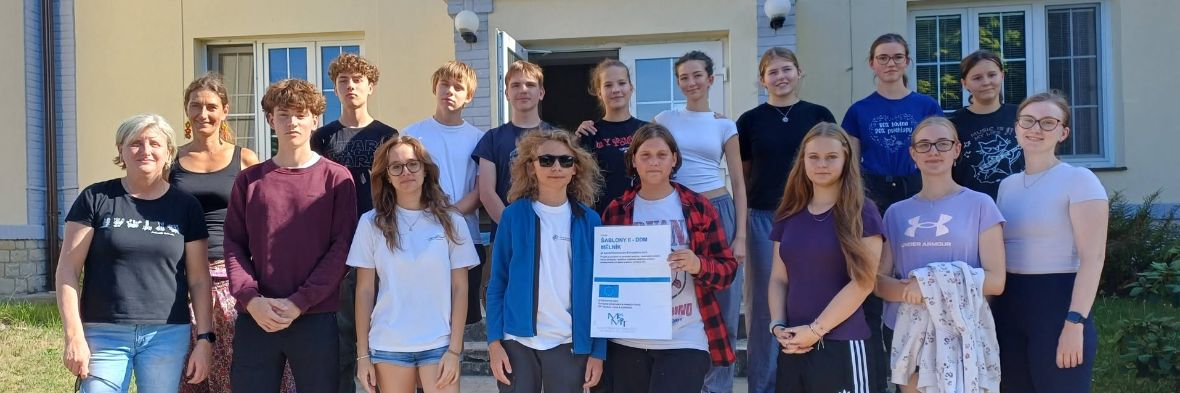
How long and challenging is the journey a sperm must make before reaching an egg? What happens during fertilisation, and what do the first days of a new life look like? Once again this year, the ART for Future programme (Strategy AV21) took part in Science in Action, a summer science camp for secondary school students organised by the Institute of Animal Physiology and Genetics of the Czech Academy of Sciences in collaboration with the Mělník Children and Youth Centre. One entire day was dedicated to the fascinating mysteries of fertilisation and early embryonic development.
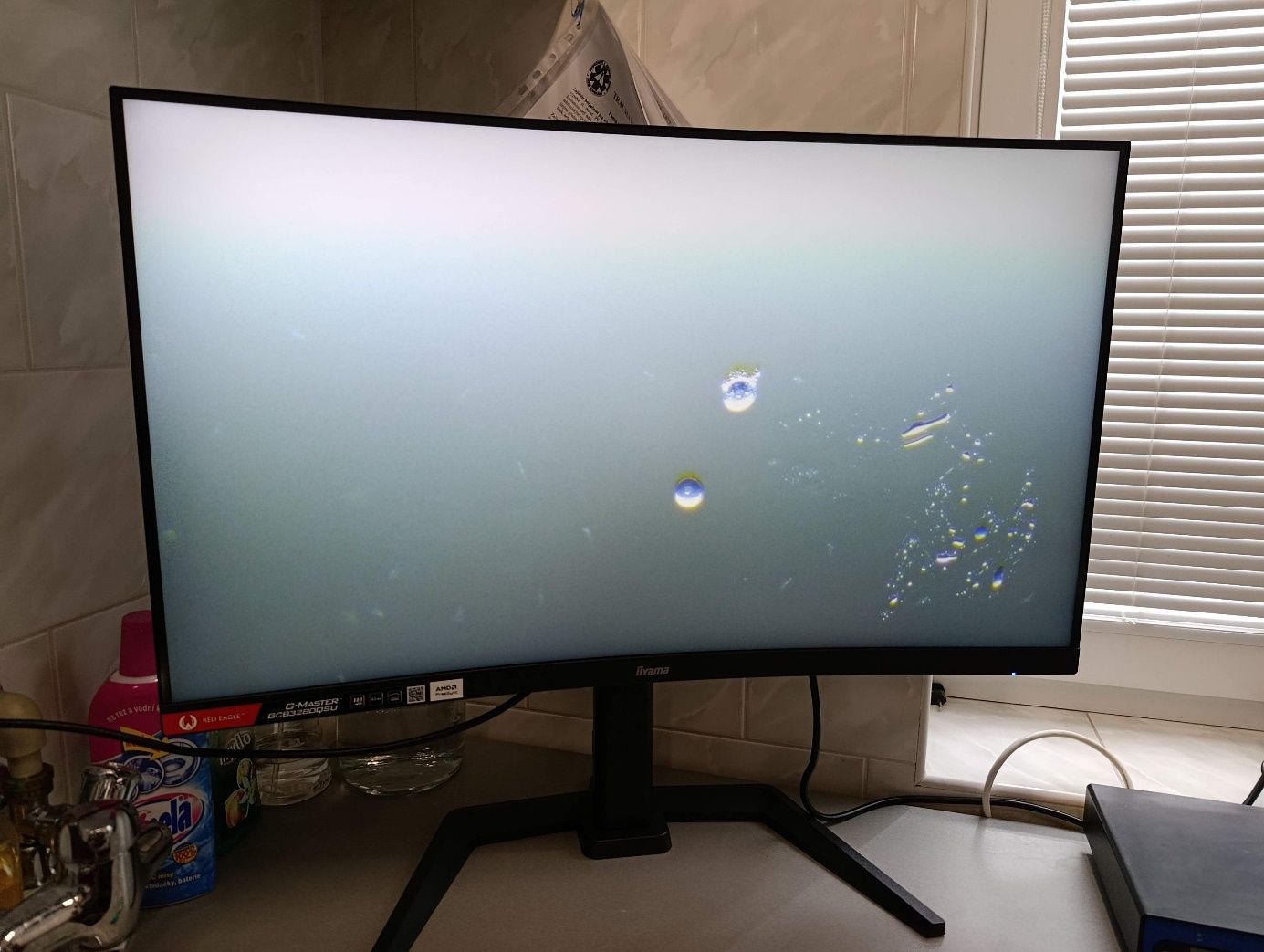
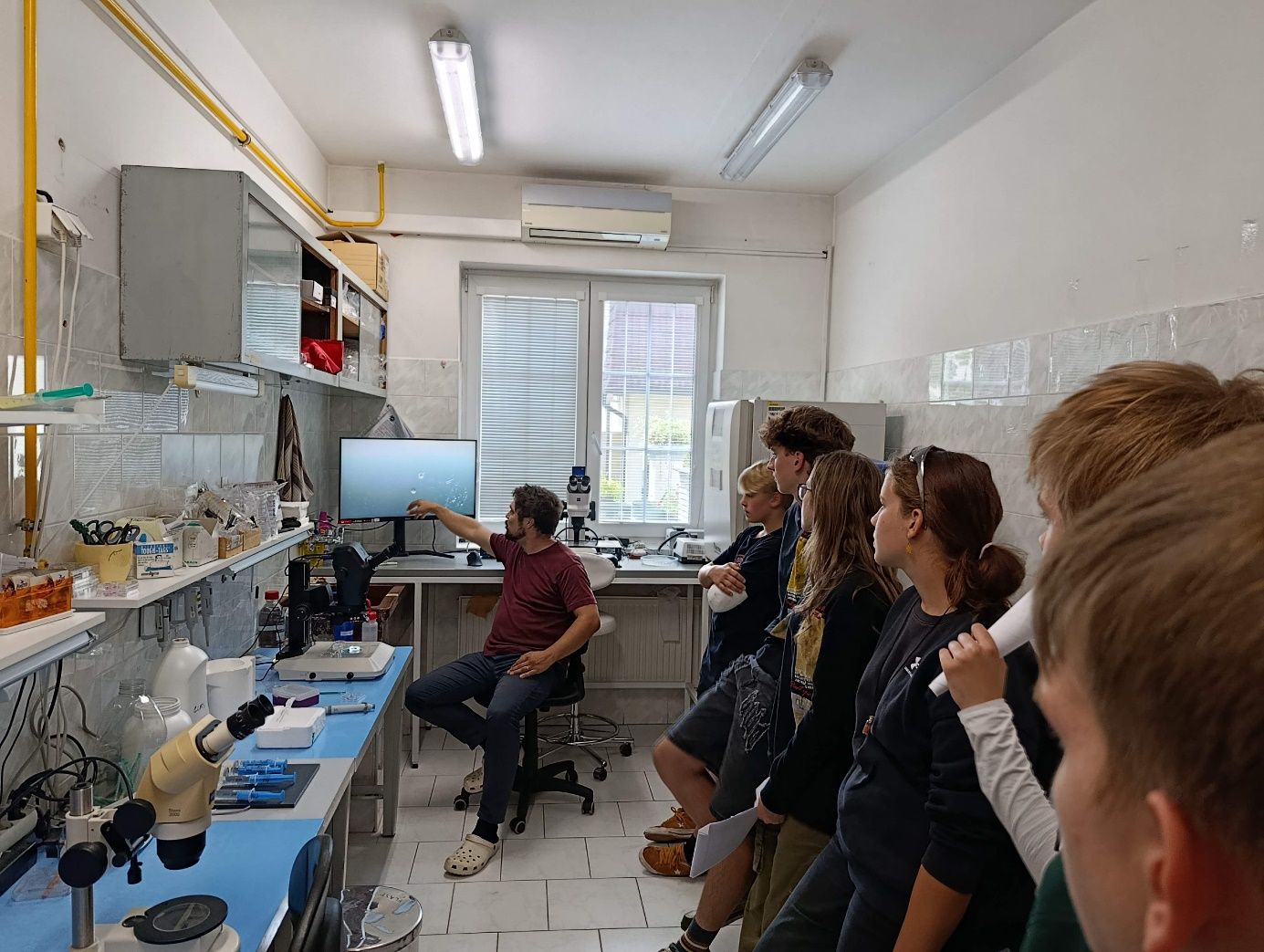
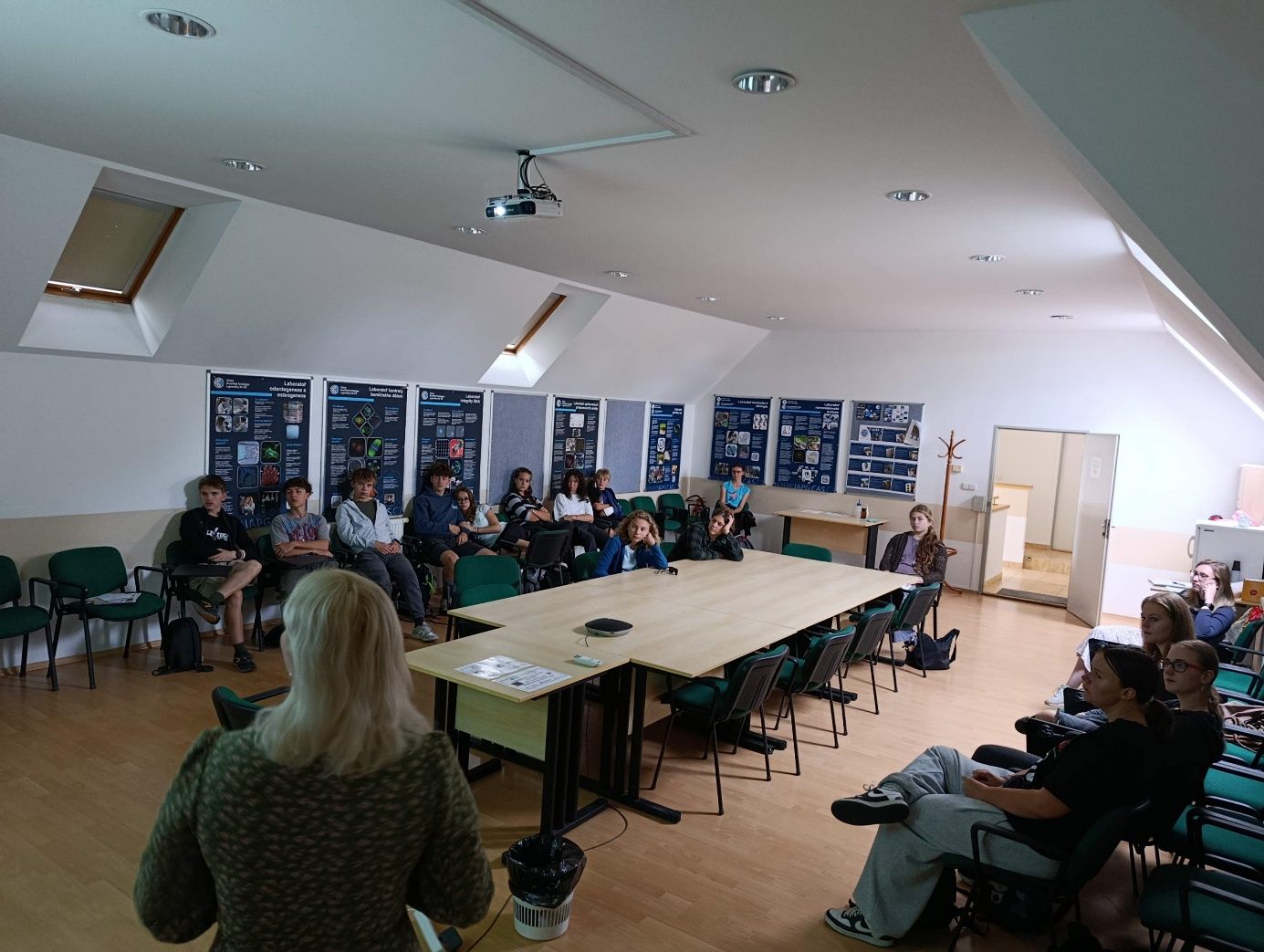
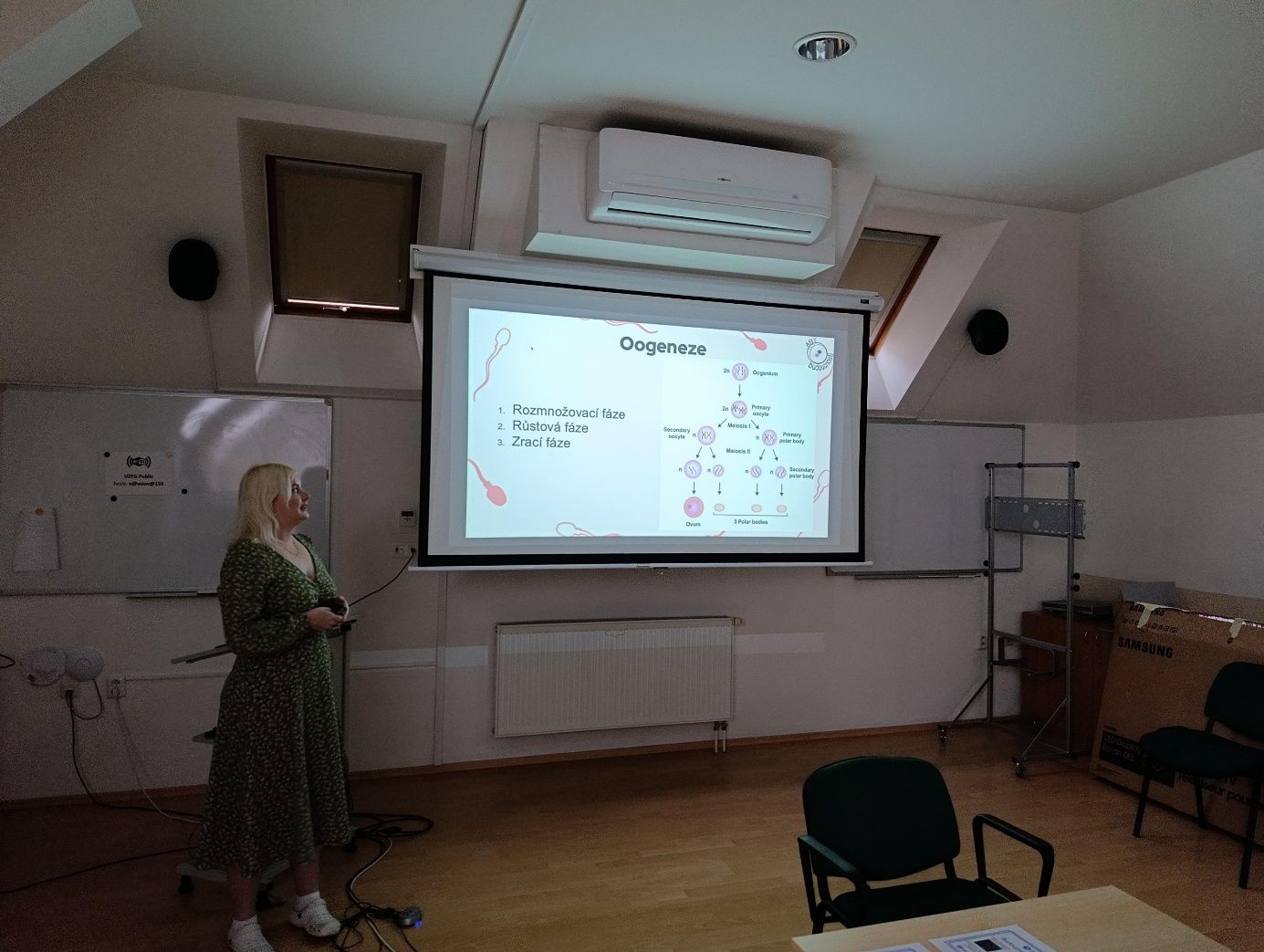
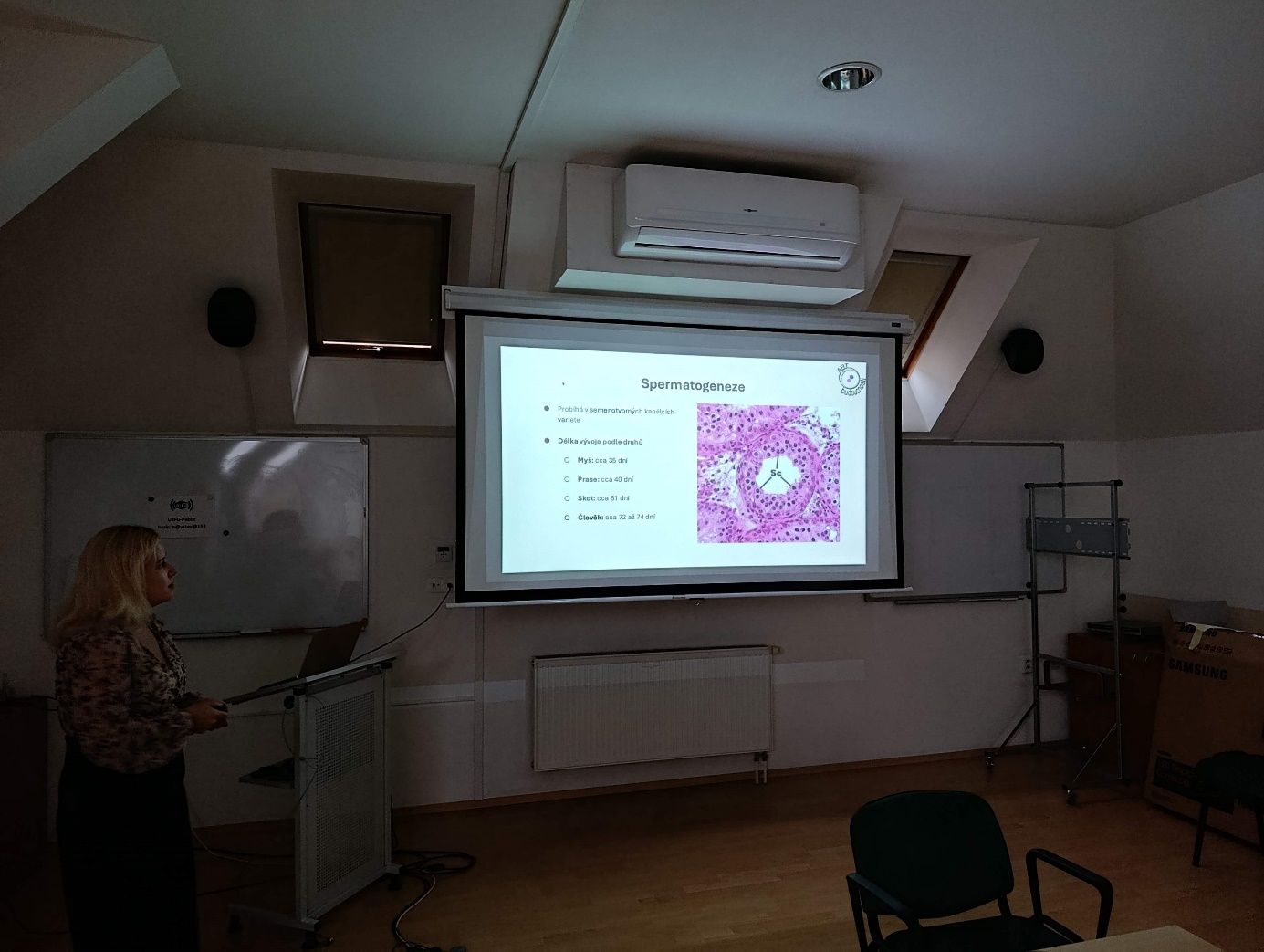
During a lecture entitled The Journey of a Sperm, students followed the remarkable journey of sperm through the male and female reproductive tracts all the way to the egg. They discovered the obstacles sperm must overcome, why fertilisation is such a complex process, and what actually happens when a sperm and an egg fuse. After the lecture, the students were treated to a truly extraordinary experience – watching the process of fertilisation unfold before their eyes! Thanks to modern microscopy technology, they could observe in real time how sperm approached an egg in a laboratory dish, competing for the chance to fertilise it. A process they had previously encountered only in textbooks and illustrations took place right in front of them. It was a unique opportunity to witness the fascinating events at the very beginning of a new life.
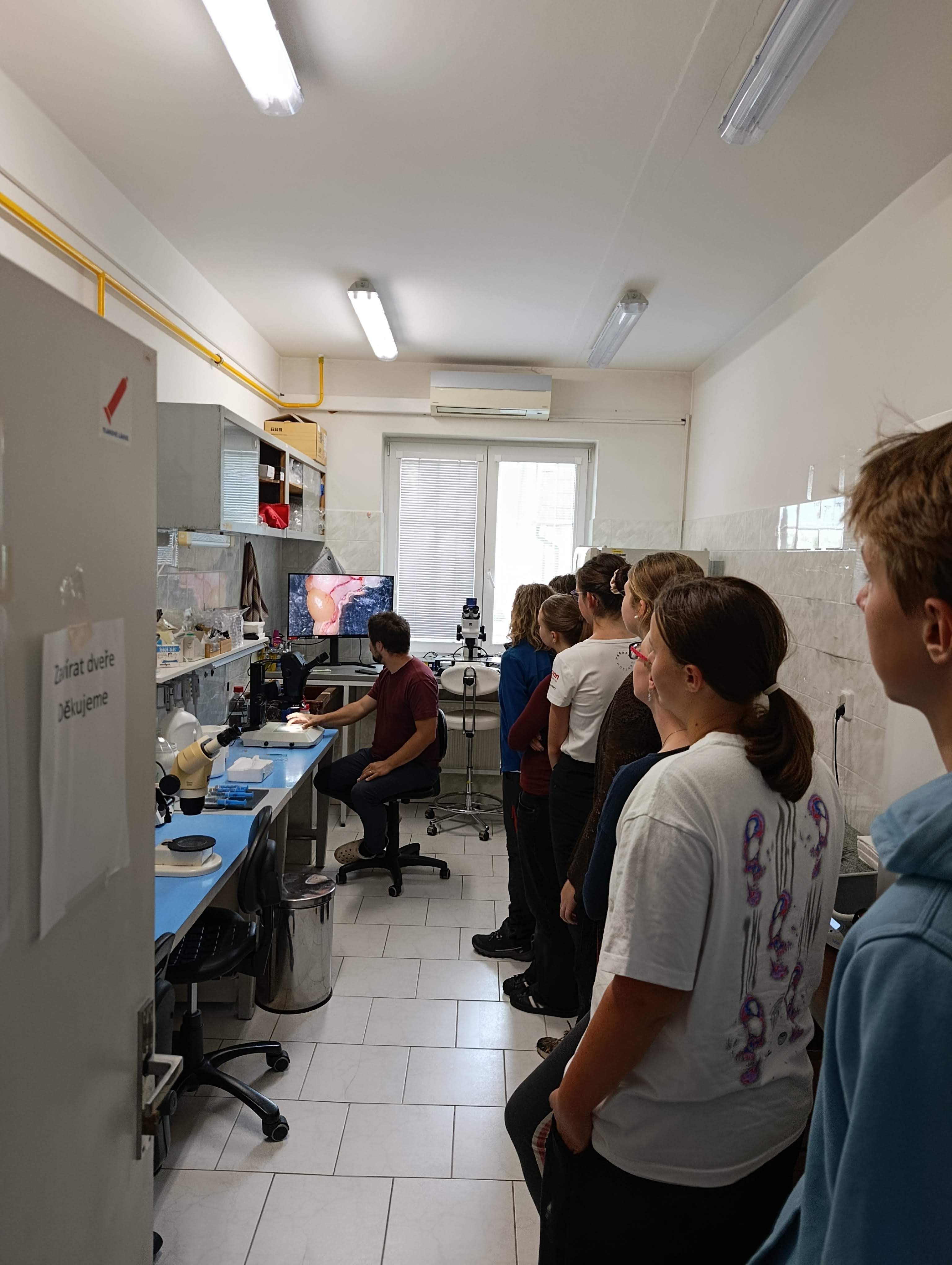
Then it was time to get hands-on. For a while, the students stepped into the role of embryologists. Under the guidance of researchers involved in the ART for Future programme, they tried isolating oocytes from bovine ovaries, performing delicate cell manipulations using professional laboratory tools, and observing different stages of early embryonic development under the microscope. This gave them a first-hand glimpse into processes normally hidden from view, whose understanding is essential for fertility research and the development of assisted reproduction techniques.
But the scientific adventure was far from over. Throughout the week, participants also explored fish and bird research, worked with DNA and chromosomes, discovered the fascinating world of chemical communication in mice, and gained insights into biomedical research involving minipigs. The camp concluded with a field expedition to the Kokořínsko region, featuring wildlife observation, demonstrations of small mammal and insect trapping, and bird ringing. We believe that experiencing science first-hand can be one of the best ways to inspire young people to pursue further studies – and perhaps even a future career in research.
Read also
- IVF FOR WOMEN WITHOUT A PARTNER: LEGAL, ETHICAL AND MEDICAL CONSIDERATIONS
- III· OOCYTE DAY BROUGHT TOGETHER LEADING EXPERTS IN HUMAN AND OTHER MAMMALIAN OOCYTE RESEARCH
- 31ST SYMPOSIUM ON BIOLOGY AND IMMUNOLOGY OF REPRODUCTION (SBIR) AND 19TH ANNUAL MEETING OF THE EUROPEAN SOCIETY FOR REPRODUCTIVE IMMUNOLOGY (ESRI)
- WHEN SCIENCE COMMUNICATES: THE FUTURE OF ART PROJECT AT RESEARCHERS' NIGHT 2026
- WHAT DETERMINES THE FATE OF AN EMBRYO? JITKA TROJANOVÁ JOINS THE ART RESEARCH TEAM
- ASSISTED REPRODUCTION IS MORE THAN JUST A MEDICAL ISSUE: KATEŘINA KOMRSKOVÁ CO-AUTHORS A NEW BOOK
- WHEN TEACHERS TAKE A SEAT IN THE CLASSROOM: ART AT THE SUMMER SCIENCE CAMP FOR TEACHERS
- THE MAGIC NUMBER 46, SPERM QUALITY AND THE FUTURE OF MALE FERTILITY: KATEŘINA KOMRSKOVÁ ON RADIOŽURNÁL
- SPERM AREN´T ALONE ON THEIR JOURNEY TO FERTILISATION. TINY VESICLES HELP THEM MATURE
- CAN AN INTERSPECIES EMBRYO HELP SAVE ENDANGERED SPECIES?