

31ST SYMPOSIUM ON BIOLOGY AND IMMUNOLOGY OF REPRODUCTION (SBIR) AND 19TH ANNUAL MEETING OF THE EUROPEAN SOCIETY FOR REPRODUCTIVE IMMUNOLOGY (ESRI)
12. 10. 2026
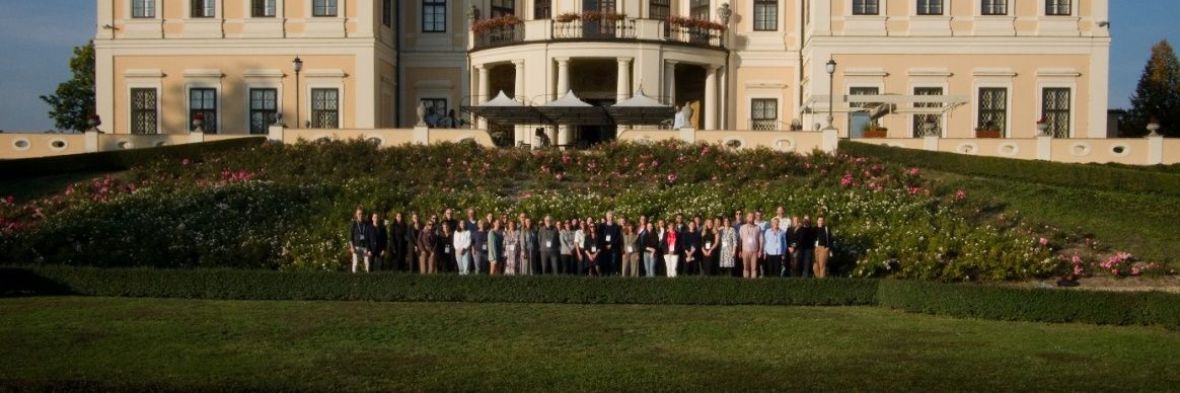
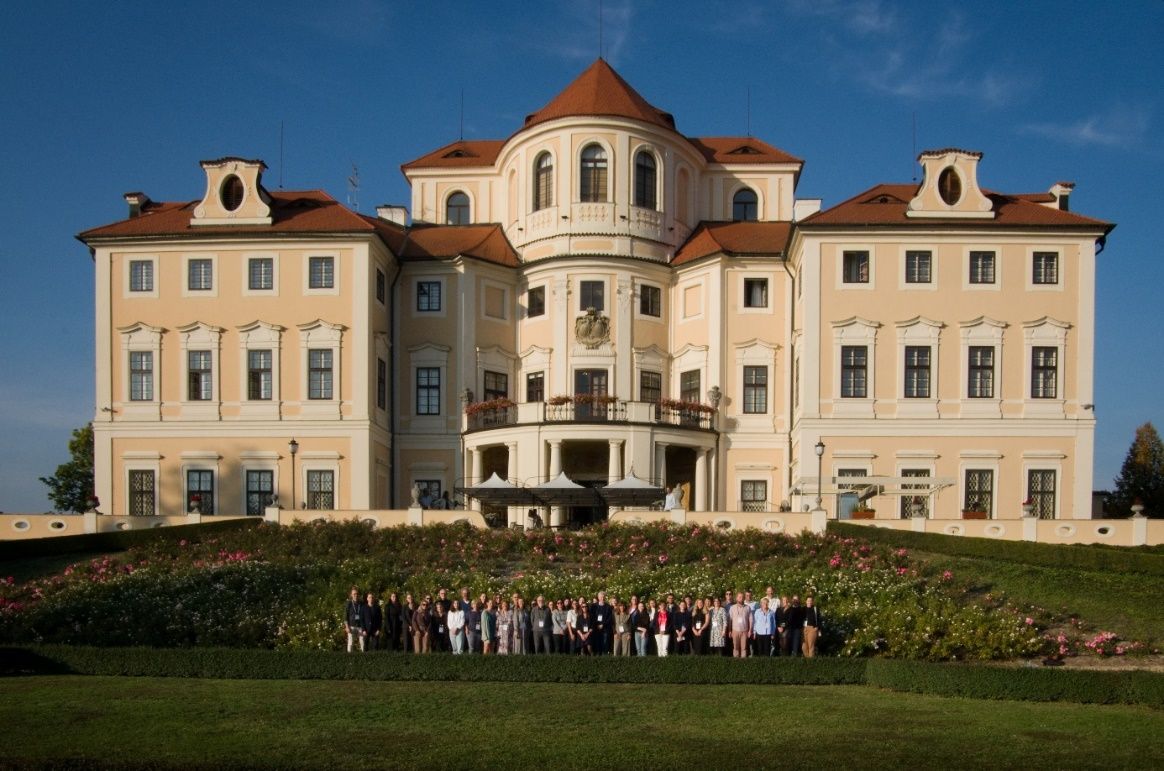
From 4 to 6 October 2026, Liblice Castle hosted the 31st edition of the international Symposium on Biology and Immunology of Reproduction (SBIR), which this year was held jointly with the 19th Annual Meeting of the European Society for Reproductive Immunology (ESRI). The joint conference welcomed researchers and students from nine countries, providing a platform for sharing the latest findings in reproductive biology, immunology, and reproductive medicine, engaging in scientific discussions, and establishing new international collaborations.
The long-established interdisciplinary SBIR conference is organised by Kateřina Komrsková from the Laboratory of Reproductive Biology at the Institute of Biotechnology of the Czech Academy of Sciences, in collaboration with the Institute of Molecular Genetics of the Czech Academy of Sciences, represented by co-organiser Dominik Filipp. The conference aims to bring together experts in reproductive biology, immunology, reproductive medicine, and related fields, promote the exchange of the latest scientific knowledge, and foster interdisciplinary collaboration.
This year's edition was particularly special thanks to the collaboration with the European Society for Reproductive Immunology (ESRI), which held its 19th Annual Meeting as part of the SBIR conference. This joint event offered participants the opportunity to attend lectures by members of the ESRI leadership, explore additional scientific perspectives in reproductive research, and strengthen international scientific collaboration.
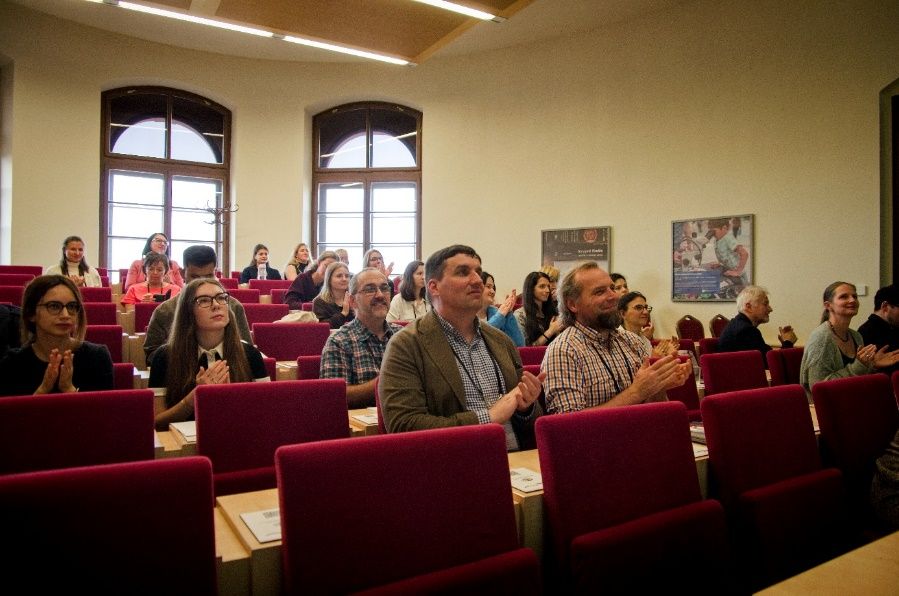
The conference welcomed researchers and students from the Czech Republic, Slovakia, Germany, Canada, the Netherlands, Italy, Denmark, France, and Hungary. The programme featured a diverse range of scientific lectures, oral presentations, posters, and short presentations in the flash talk format. Among the invited keynote speakers was Bruce D. Murphy from the Université de Montréal in Canada, who delivered a lecture entitled Differential Regulation of Ovarian Events by Two Orphan Nuclear Receptors. Tzviya Zeev-Ben-Mordehai from Utrecht University in the Netherlands presented Reproductive Structural Biology: From Discovery to the Clinic. Another invited speaker and co-organiser representing ESRI was Udo Markert from Jena University Hospital in Germany, who discussed the interactions of placenta-derived extracellular vesicles with maternal immune cells in his talk Interactions of Placenta-Derived EVs with Maternal Immune Cells. The fourth invited speaker was Magdaléna Krulová from the Faculty of Science at Charles University in Prague, who opened the third day of the conference with her lecture Small Fragments, Big Insights: Modeling Testicular Inflammation Ex Vivo, focusing on the use of ex vivo approaches to model inflammatory processes in the testes.
The programme also included a poster session, providing an opportunity to present research findings and engage in discussions with fellow participants. Alongside traditional oral presentations, the flash talk format was once again included, allowing researchers to briefly introduce their projects and stimulate further discussion. The conference also featured the traditional Young Scientist Competition, which aims to support students and early-career researchers in their professional development. This year's awards went to Mohin Sethi from the Institute of Animal Physiology and Genetics of the Czech Academy of Sciences, Natálie Hradečná from the Czech University of Life Sciences Prague, and Simona Pikulová from the Institute of Biotechnology of the Czech Academy of Sciences. The competition once again highlighted the importance of supporting the next generation of scientists and creating opportunities for their continued professional growth. The presentations, including some of the award-winning contributions in the Young Scientist Competition, also featured research findings from studies co-funded by the Strategy AV21 – Future of Assisted Reproduction (ART) programme.
The SBIR conference has long contributed to interdisciplinary collaboration and the exchange of scientific knowledge in reproductive health. Combining this year's edition with the ESRI Annual Meeting further strengthened its international dimension and facilitated closer scientific exchange between experts in reproductive biology and immunology. The programme also addressed topics closely related to the Strategy AV21 – Future of Assisted Reproduction (ART) research programme, particularly reproductive health research and the development of advanced biotechnological approaches in reproductive medicine.
The next, 32nd edition of the SBIR conference will take place from 3 to 5 October 2027, once again at Liblice Castle. Updates will be published on the official SBIR conference website. Photographs from this year's joint SBIR–ESRI meeting are available in the SBIR–ESRI 2026 online photo gallery.
Actuality prepared by Michala Krejčí, Institute of Biotechnology of the Czech Academy of Sciences, modified for ART web.
Read also
- IVF FOR WOMEN WITHOUT A PARTNER: LEGAL, ETHICAL AND MEDICAL CONSIDERATIONS
- III· OOCYTE DAY BROUGHT TOGETHER LEADING EXPERTS IN HUMAN AND OTHER MAMMALIAN OOCYTE RESEARCH
- WHEN SCIENCE COMMUNICATES: THE FUTURE OF ART PROJECT AT RESEARCHERS' NIGHT 2026
- WHAT DETERMINES THE FATE OF AN EMBRYO? JITKA TROJANOVÁ JOINS THE ART RESEARCH TEAM
- ART RETURNS TO THE SCIENCE IN ACTION SUMMER CAMP: A DAY EXPLORING THE FIRST MOMENTS OF LIFE
- ASSISTED REPRODUCTION IS MORE THAN JUST A MEDICAL ISSUE: KATEŘINA KOMRSKOVÁ CO-AUTHORS A NEW BOOK
- WHEN TEACHERS TAKE A SEAT IN THE CLASSROOM: ART AT THE SUMMER SCIENCE CAMP FOR TEACHERS
- THE MAGIC NUMBER 46, SPERM QUALITY AND THE FUTURE OF MALE FERTILITY: KATEŘINA KOMRSKOVÁ ON RADIOŽURNÁL
- SPERM AREN´T ALONE ON THEIR JOURNEY TO FERTILISATION. TINY VESICLES HELP THEM MATURE
- CAN AN INTERSPECIES EMBRYO HELP SAVE ENDANGERED SPECIES?