


Speakers
Takashi Akera (National Heart, Lung, and Blood Institute, USA)
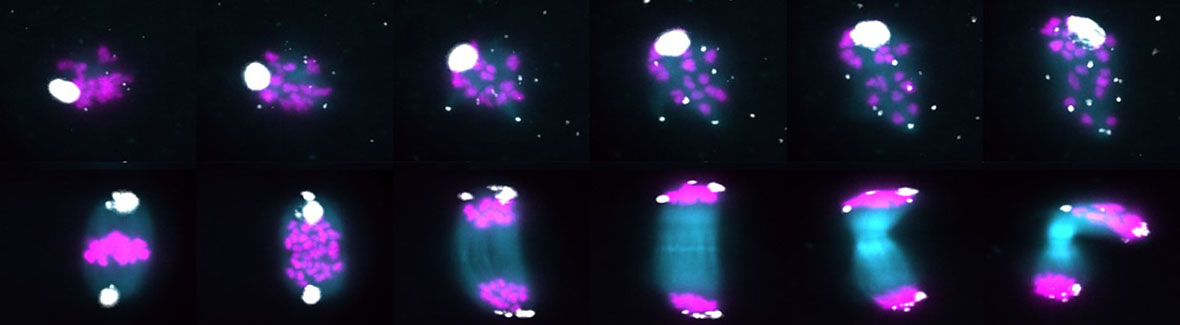
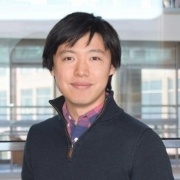 Dr. Takashi Akera is a molecular biologist whose research focuses on chromosome dynamics, evolution, and non-Mendelian inheritance. He investigates how selfish genetic elements violate Mendel’s law through meiotic drive and shape mammalian reproduction and speciation. He received his PhD. in Biophysics and Biochemistry from the University of Tokyo in 2014 and completed his postdoctoral training at the University of Pennsylvania. In 2019, he joined the National Heart, Lung, and Blood Institute (NIH) as an Earl Stadtman Investigator. He has since received the NHLBI Outstanding Mentor Award (2024) and the Vilcek Prize for Creative Promise in Biomedical Sciences (2026). His laboratory combines mouse genetics, CRISPR/Cas9, high-resolution microscopy, and optogenetics to uncover the cellular and evolutionary mechanisms of meiotic drive and biased chromosome segregation.
Ahmed Balboula (University of Missouri, USA)
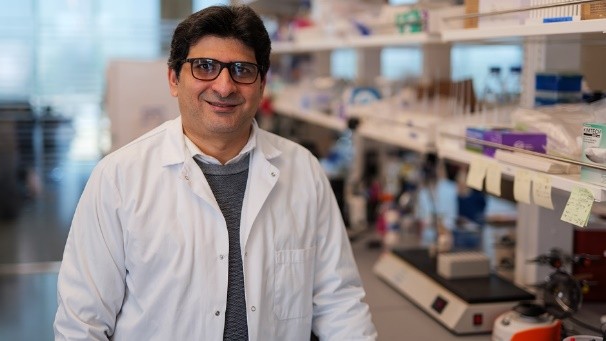 Dr. Ahmed Balboula is currently an Associate Professor of Reproductive Biology at the University of Missouri. He conducted his Ph.D. research in Japan, followed by postdoctoral training at the University of Pennsylvania and Rutgers University. He then joined the University of Cambridge in the UK as a Marie Curie Fellow, before starting his independent research career at the University of Missouri in 2019. Research in his laboratory is currently funded by grants from the NIGMS, NICHD, and USDA and employs cutting-edge imaging technologies, transgenic mouse models, and optogenetic approaches to understand the molecular mechanisms regulating mammalian oocyte meiosis. Dr. Balboula has received several research honors, including the Provost’s Outstanding Junior Faculty Research and Creative Activity Award and the SSR Virendra B. Mahesh New Investigator Award.
Jerzy Dobrucki (Jagiellonian University in Kraków, Poland)
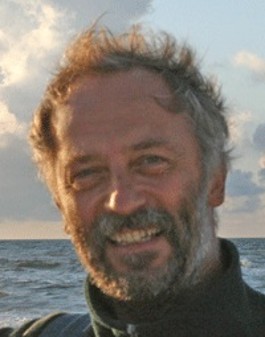
Jerzy W. Dobrucki is Professor of Biophysics and Head of the Department of Cell Biophysics at the Faculty of Biochemistry, Biophysics, and Biotechnology, Jagiellonian University, Poland. He has held research and academic positions at several internationally recognized institutions, including the Malaghan Institute for Medical Research in New Zealand, Division of Molecular Biophysics at CNRS in France, Dartmouth College in the USA, the Max Planck Institute for Molecular Physiology in Germany, the University of Illinois at Urbana-Champaign in the USA, and the University of Cambridge in the UK. His research focuses on the mechanisms of DNA damage and repair, the detection and characterization of DNA single- and double-strand breaks, the interactions of drugs with chromatin, and the structure and function of DNA repair foci. He has also contributed to the study of cytosolic DNA and developed advanced methods for the detection of DNA damage, including sSTRIDE and dSTRIDE. He is a co-founder of intoDNA, a company focused on technologies for detecting and analyzing DNA damage.
Suzanne Madgwick (Newcastle University, United Kingdom)
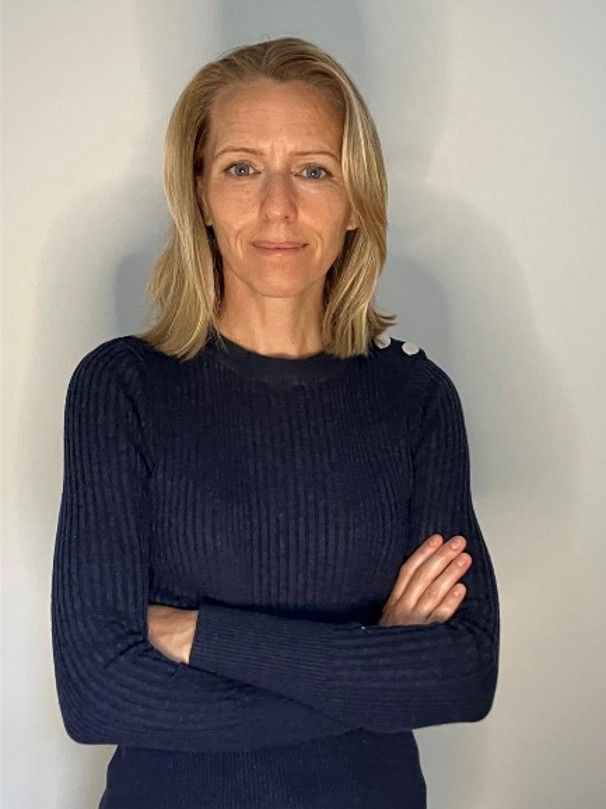 Dr Suzanne Madgwick is a Senior Lecturer and Medical Research Council Fellow in the Biosciences Institute at Newcastle University. Her research focuses on understanding how cell cycle regulation controls meiotic cell division and developmental competence in mammalian oocytes. Using advanced imaging technologies, molecular biology and micromanipulation approaches, her laboratory investigates the mechanisms that underpin healthy meiosis and reproductive success. The group also develops imaging approaches in bovine oocytes, linking fundamental cell biology with applications in reproductive medicine, animal welfare and sustainable food production. A particular focus of her current research is the use of Imaging Mass Cytometry to identify protein signatures associated with oocyte competence. By generating multiplexed protein maps of individual oocytes, her group aims to define molecular markers that can predict developmental potential and improve the assessment of oocyte quality in both human fertility treatment and livestock breeding.
Marie-Emilie Terret (College de France, France)
 Dr. Marie-Emilie Terret is a cell biologist studying mammalian oogenesis and co-leads the Oocyte Mechanics and Morphogenesis team with Marie-Hélène Verlhac. The goal of their team is to understand how an oocyte transforms into a viable embryo, using biophysical approaches to meiotic divisions in a highly interdisciplinary, collaborative context. One focus of their work is the mechanical properties of oocytes, particularly cortical tension, a key determinant of oocyte developmental potential. They have uncovered, in particular, how cortical tension is regulated by cortical actomyosin organization and shown that its disruption leads to defects in cell division geometry and chromosome segregation. These findings provide insight into the origins of developmental failure and suggest that mechanical properties could serve as non-invasive biomarkers of oocyte quality in assisted reproduction.
Lukas Ded (Institute of Biotechnology of the Czech Academy of Sciences, BIOCEV, Czech Republic)
 Dr. Lukas Ded is a scientist specializing in reproductive and developmental biology. He completed his Ph.D. training in 2014 at the Institute of Biotechnology of the Czech Academy of Sciences and the Faculty of Science, Charles University in Prague, under the supervision of Dr. Jana Peknicova. After his Ph.D., he continued at the Institute of Biotechnology, where he worked as a scientific assistant and project leader in reproductive biology. From 2016 to 2017, he worked as a postdoctoral research fellow at Yale University School at Department of Cellular and Molecular Physiology. From 2018 to 2019, he was a visiting researcher at the University of Barcelona, School of Medicine. His research focuses on reproductive biology, developmental biology, and the molecular mechanisms underlying mammalian reproduction and early development.
Michaela Frolikova (Institute of Biotechnology of the Czech Academy of Sciences, BIOCEV, Czech Republic)
Helena Fulkova (Institute of Experimental Medicine of the Czech Academy of Sciences, Czech Republic)

Rebecca Collier (University of South Bohemia, Czech Republic)
Emmanuel García Sánchez (Institute of Animal Physiology and Genetics of the Czech Academy of Sciences, Czech Republic)
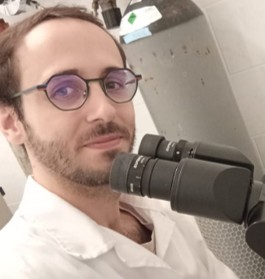
Dr. Emmanuel García Sánchez is a postdoctoral researcher in the Laboratory of DNA Integrity (Drutovic team), and a member of the Visegrad Group Society for Developmental Biology. He completed his PhD at the Institute of Genetics, Molecular and Cellular Biology and the University of Strasbourg, in France where his research focused on transcription initiation, mRNA stabilization, and subcellular ultrastructural characterization during mouse oocyte growth. His current postdoctoral research centers on spindle assembly, chromosome segregation and cytoplasmic differentiation in oocytes and early embryos. He has expertise in developmental biology, oocyte biology, time-lapse microscopy of live mouse oocytes and embryos. In addition to his research, he has dedicated experience in teaching, student supervision across undergraduate and graduate levels, and scientific mentoring.
Kianoush Kakavand (Institute of Animal Physiology and Genetics of the Czech Academy of Sciences, Czech Republic)
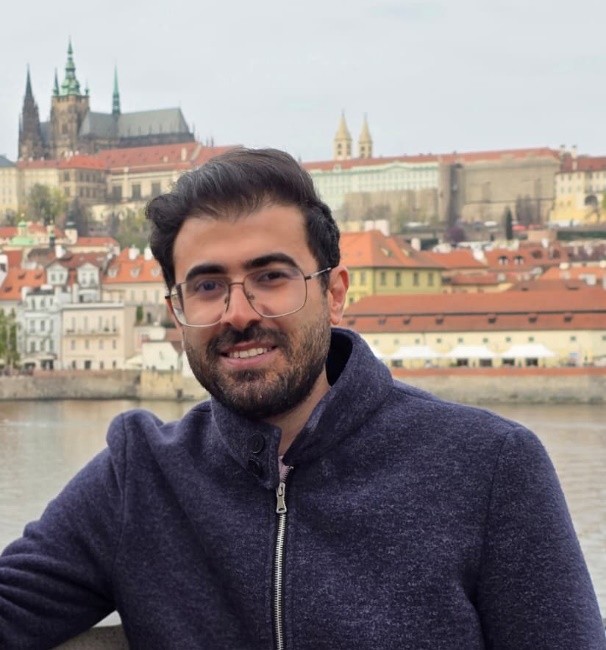 Kianoush Kakavand holds both a Bachelor's and a Master's degree in Cellular and Molecular Biology. During his master's studies and for a period afterward, his research focused on male infertility. In 2023, he began his PhD in Cell and Developmental Biology at Charles University in Prague. He is currently conducting his doctoral research, his work primarily investigates the regulation and reprogramming of the translation machinery in oocytes and early embryos.
Abstracts of the lectures, speaker profiles, and the final program, including a full list of speakers, will be updated and made available on this website.